Category: Uncategorized

DIY Electrical: When to Call a Professional

DIY electrical work can be an exciting and cost-effective way to upgrade your home. However, electricity is dangerous, and there are certain situations where it’s best to leave the work to the professionals. Understanding when to call an electrician can help prevent accidents, save time, and ensure that your electrical systems are safe and up to code.

Safety First: Why You Should Be Cautious with DIY Electrical Work

Before diving into any electrical project, it’s essential to recognize the risks involved. Electrical work can lead to electrical shocks, fires, or electrical system malfunctions if done improperly. While minor tasks like changing a light switch may be safe for the average DIYer, complex electrical work should always be handled by a licensed professional.

When to Call a Professional Electrician:

1. You Don’t Understand the Wiring

Electrical systems can be complex, with different types of wiring and circuits to manage. If you don’t fully understand how the wiring works or how to safely disconnect the power supply, it’s best to call an electrician.

  • Signs you may need a pro: You’re unsure how to properly identify the live wires or how to safely disconnect the power before starting work.

2. Frequent Circuit Breaker Trips

If your circuit breaker is constantly tripping, it could indicate a serious issue like an overloaded circuit, faulty wiring, or a problem with your electrical panel. This is a sign that your electrical system is under stress and needs professional inspection.

  • Signs you may need a pro: Your breaker trips regularly, or you notice burning smells or unusual sounds when using electrical appliances.

3. Adding New Circuits or Panels

Installing a new circuit or electrical panel is not a task for a beginner. This type of work requires knowledge of the local building codes, safety standards, and the proper tools to ensure everything is installed correctly.

  • Signs you may need a pro: You’re upgrading your electrical panel, adding new outlets, or wiring a room with heavy-duty appliances.

4. Sparks or Shocks

If you ever notice sparks when plugging in an appliance or receive a mild electrical shock from an outlet, that’s a serious red flag. This could be caused by faulty wiring or other electrical hazards that could lead to fires or more severe shocks.

  • Signs you may need a pro: Sparks when plugging in devices, flickering lights, or receiving shocks from outlets or switches.

5. You Don’t Have the Proper Tools or Knowledge

Electrical work often requires specialized tools (like a multimeter, wire strippers, and a voltage tester) and a solid understanding of how to use them. If you don’t have the proper equipment or don’t know how to safely test for electrical current, it’s time to call in a pro.

  • Signs you may need a pro: You don’t have the right tools, or you’re not sure how to safely check the voltage.

6. Any Work That Involves High Voltage

High-voltage work, such as installing an electric stove, dryer, or home HVAC system, is dangerous without the proper knowledge and experience. Working with high voltage can result in serious injury or even death if not handled correctly.

  • Signs you may need a pro: You’re installing major appliances that require high voltage connections or working on electrical systems in attics or basements where the wires are exposed.

Tips for DIY Electrical Safety:

If you’re handling small electrical tasks, here are some essential safety tips to keep in mind:

  • Turn off the power: Always turn off the power at the breaker box before starting any work.
  • Use insulated tools: These protect you from electrical shocks.
  • Check for current: Use a voltage tester to ensure there’s no power running through the wires before working on them.
  • Wear rubber-soled shoes: This reduces the risk of a shock if you come into contact with live wires.

Conclusion:

While DIY projects are satisfying, electrical work is something that should not be taken lightly. If you’re ever unsure, it’s always best to call a licensed electrician. Your safety should be the top priority when dealing with electricity, and hiring a professional ensures that your home’s electrical system is working properly and safely.
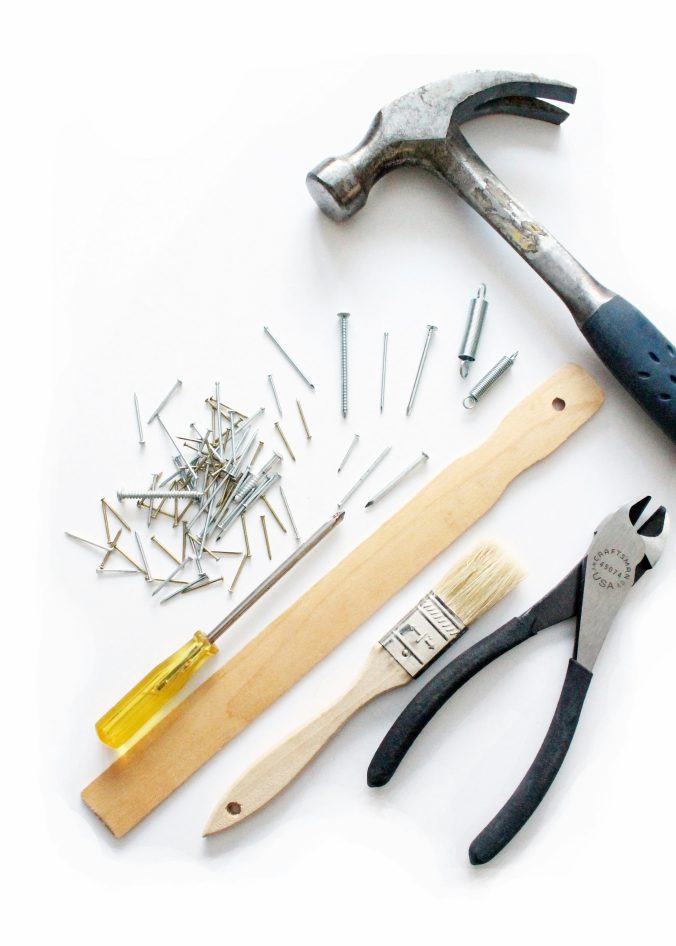
Patching a Hole in Drywall: Step-by-Step

Accidents happen—whether it’s a doorknob dent, a bump from furniture, or a slip of the drill. Patching a hole in drywall is a simple repair that can restore your wall to its original state. This guide will walk you through the process in just a few easy steps.

Materials You’ll Need:

  • Drywall patch or joint compound
  • Putty knife
  • Sandpaper (fine-grit)
  • Drywall tape (if necessary)
  • Primer and paint
  • Spackle or wall filler (for small holes)
  • Utility knife (for larger holes)

Step-by-Step Instructions:

1. Prepare the Hole

First, clean up the hole. For smaller holes, like those caused by nails or screws, simply use a utility knife to trim around the edges, creating a clean, square shape. For larger holes, you might need to cut a larger piece of drywall out to make room for a patch.

2. Apply a Patch (For Larger Holes)

If the hole is larger than a few inches, use a drywall patch. For smaller holes, spackle or wall filler should suffice.

  • For larger holes, cut a piece of drywall to fit the hole, making sure it’s slightly smaller than the opening so it fits snugly.
  • If needed, apply drywall tape around the edges of the hole to provide extra support for the compound.
  • For small holes, you can simply apply a layer of spackle directly to the hole.

3. Apply Joint Compound

Use a putty knife to apply a thin layer of joint compound or drywall mud over the patch. Spread it evenly, smoothing out the surface to match the surrounding wall. For larger patches, you may need to apply several thin layers, allowing each layer to dry before applying the next.

4. Sand and Smooth

Once the joint compound has dried (usually 24 hours, depending on the product), lightly sand the surface with fine-grit sandpaper to make it smooth and level with the rest of the wall. Be gentle—too much sanding can create uneven spots.

5. Apply Primer and Paint

After sanding, wipe down the area with a damp cloth to remove any dust. Apply a coat of primer to help the paint adhere properly. Once the primer is dry, paint over the patched area with a matching wall paint. You may need to apply two coats for full coverage.


Conclusion:

Patching a hole in drywall is a simple task that can be completed in just a few hours. By following these easy steps, your wall will look as good as new. Whether it’s a small hole or a larger repair, you can do it yourself and save money on hiring a professional.

If you’re tackling multiple patches, consider investing in a drywall repair kit to make future repairs even easier.


Got any tips of your own or questions about drywall repair? Drop them in the comments below!

How to Fix a Leaky Faucet in 10 Minutes

A leaky faucet may seem like a minor issue, but it can waste a surprising amount of water and increase your utility bills. The good news is that fixing a leaky faucet is a quick and easy DIY repair that can be done in under 10 minutes with just a few basic tools. Let’s get started!

Tools You’ll Need:

  • Adjustable wrench or pliers
  • Flathead screwdriver
  • Replacement parts (washers, seals, or cartridges depending on the faucet type)
  • Teflon tape (optional)

Steps to Fix a Leaky Faucet:

1. Turn Off the Water Supply

Before you begin, make sure to turn off the water supply to the faucet. You’ll usually find the shutoff valves under the sink. Turn them clockwise to stop the flow of water. If you can’t locate the shutoff valves, you may need to turn off the main water supply to the house.

2. Plug the Drain

To prevent any small parts from falling down the drain, plug it with a sink stopper or a cloth.

3. Disassemble the Faucet

Use your flathead screwdriver to remove the handle. You may need to remove a decorative cap to access the screw holding the handle in place. Once the screw is removed, take off the handle and set it aside.

4. Remove the Valve Stem or Cartridge

Once the handle is off, you’ll see the valve stem (for compression faucets) or a cartridge (for cartridge-style faucets). Use your adjustable wrench or pliers to carefully unscrew and remove the valve stem or cartridge.

5. Inspect the Washer or Cartridge

In most cases, a worn-out washer or cartridge is the cause of the leak. If you’re working with a compression faucet, inspect the rubber washer at the base of the valve stem. For cartridge-style faucets, check the cartridge for damage or wear. If the washer or cartridge looks damaged or worn down, replace it with a new one. You can find replacement parts at your local hardware store.

6. Reassemble the Faucet

Once the new washer or cartridge is in place, reassemble the faucet by reversing the steps you took to disassemble it. Carefully reinsert the valve stem or cartridge, and screw it back into place.

7. Turn On the Water Supply

Once everything is reassembled, remove the cloth from the drain, turn the water supply back on, and slowly open the faucet. Check for leaks—your faucet should now be drip-free!

8. Test the Faucet

Let the water run for a minute to ensure that the leak is completely fixed. If there’s still a small drip, make sure the replacement parts are properly installed and check for any additional worn-out seals or washers.


Conclusion:

Fixing a leaky faucet doesn’t have to be a time-consuming or expensive repair. With the right tools and a little know-how, you can tackle this issue in under 10 minutes and save both water and money.

If you’re unsure about the specific type of faucet you have, refer to the manufacturer’s instructions or bring the old parts to your local hardware store to find the correct replacements.


Pro Tip: If the faucet still leaks after replacing the washers or cartridge, you might have an issue with the faucet seat or the water pressure in your home. In that case, it may be worth calling in a professional plumber.

5 Essential Tools Every DIYer Needs

Whether you’re just starting out or you’ve been tackling home projects for years, having the right tools is key to successful DIY repairs. In this post, I’m going to walk you through the 5 essential tools that every DIY enthusiast should have in their toolkit. These tools will help you complete a wide range of projects, from basic repairs to more advanced home improvements.

1. Hammer

A hammer is probably the first tool you’ll grab for many DIY tasks. Whether you’re driving nails into drywall or building furniture, a hammer is an essential tool in your toolkit.

What to look for:

  • A claw hammer is perfect for most general tasks. It has a flat side for driving nails and a curved side for removing them.
  • Choose one with a comfortable handle and a solid weight—usually around 16oz is ideal for general use.

Use It For:

  • Hanging pictures
  • Assembling furniture
  • Small demolition projects

2. Tape Measure

Accurate measurements are the foundation of any successful DIY project. A tape measure is crucial for ensuring everything fits perfectly, whether you’re installing new shelving, cutting wood, or hanging curtains.

What to look for:

  • A 25ft tape measure is a versatile size for most tasks.
  • Look for a tape measure with a locking mechanism to keep the tape extended while measuring.

Use It For:

  • Measuring space for furniture or appliances
  • Cutting materials to size
  • Installing shelving, cabinets, or curtains

3. Drill/Driver

A drill is an absolute must-have for every DIYer. It’s not just for drilling holes—it can also be used to drive screws into wood, drywall, and more when you switch out the drill bit for a screwdriver attachment.

What to look for:

  • A cordless drill with variable speed and torque settings will provide you with maximum flexibility.
  • Lithium-ion batteries are great because they hold a charge for longer and recharge faster.

Use It For:

  • Drilling holes for nails or screws
  • Installing screws in wood, drywall, or metal
  • Assembling furniture and cabinetry

4. Utility Knife

A utility knife is one of the most versatile tools you’ll ever own. Whether you need to open boxes, cut through drywall, or trim carpet, a sharp utility knife gets the job done quickly and safely.

What to look for:

  • Choose one with an ergonomic handle for comfortable use and a retractable blade for safety.
  • Opt for replaceable blades, so you can always have a sharp edge when you need it.

Use It For:

  • Cutting drywall, insulation, or carpet
  • Opening packages and cutting boxes
  • Trimming wallpaper and other materials

5. Level

If you want your projects to look professional, a level is an essential tool. It ensures that pictures, shelves, and everything else are perfectly aligned and straight.

What to look for:

  • A spirit level (also known as a bubble level) will help you get accurate readings for small projects.
  • Consider a laser level for larger projects where you need a highly accurate and precise measurement across long distances.

Use It For:

  • Hanging pictures and mirrors
  • Installing shelving
  • Ensuring your DIY furniture projects are perfectly aligned

Conclusion: Building the Perfect DIY Kit

These 5 tools are the building blocks of any DIY toolkit. With them, you can handle most home repairs and improvement projects around the house. As you gain experience and take on bigger projects, you may add more specialized tools to your collection, but these essentials will always be the foundation of your DIY journey.